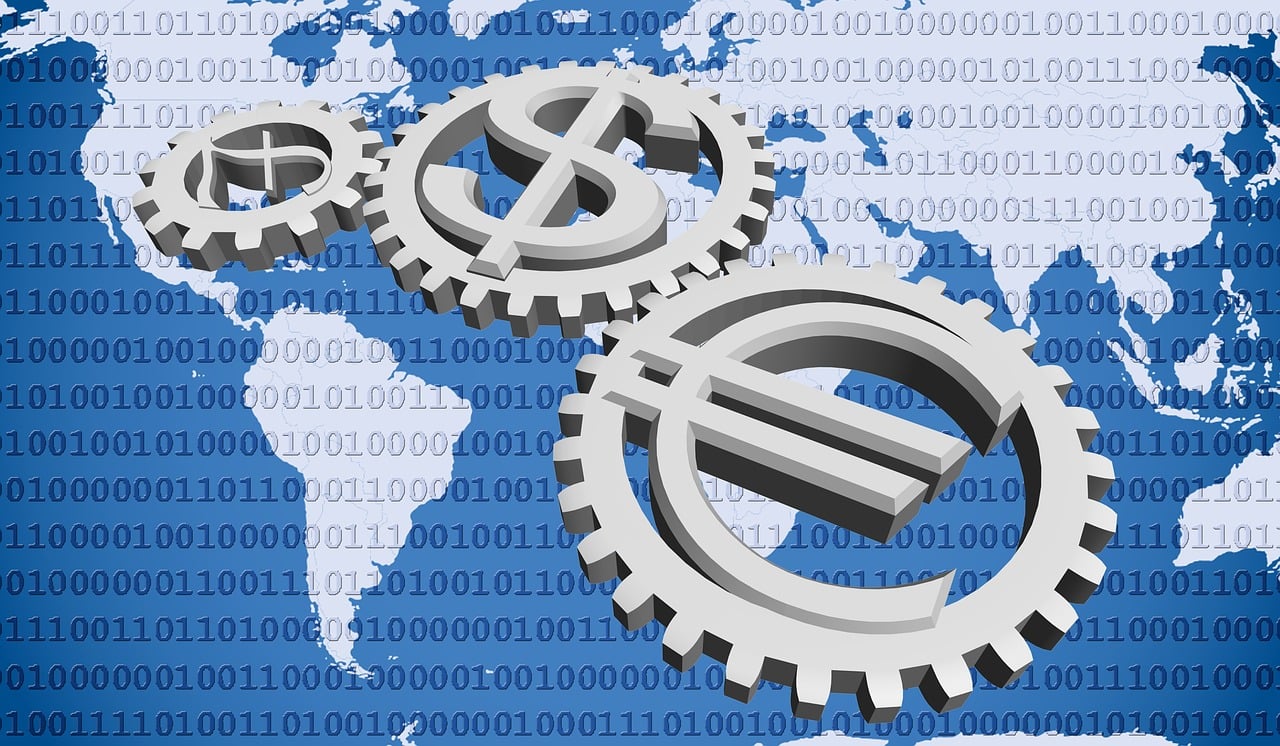
Digital payment platforms have become a quiet but essential layer of modern commerce. Many people now move money without thinking about the systems that make it possible.
This article looks at how these platforms developed, why they gained trust, and how they continue to reshape the way businesses and consumers interact across borders.
What makes a digital payment platform different from traditional banking?
Traditional banks were built around physical branches and slow settlement systems. Digital payment platforms were designed for speed and global access.
These systems allow users to send, receive, and store value using apps and online accounts. The result is a financial layer that feels closer to everyday life.
Infrastructure built for online transactions
Payment platforms rely on cloud-based systems, encryption, and automated compliance tools. This makes it easier to process large volumes of small transactions.
In contrast, many legacy banking systems still depend on older infrastructure that was not designed for real-time global activity.
Why have users adopted digital payments so quickly?
Convenience is the main reason. A few taps on a phone can replace a trip to a bank or a cash machine.
Security also improved. Tokenization and two-factor authentication reduced fraud. Organizations such as the Bank for International Settlements have studied this shift toward digital finance.
You can read more in their payment systems report, which explains how modern platforms increase efficiency and resilience.
Cross-border transactions without friction
One of the biggest advantages is global reach. Small businesses can now accept payments from customers in different countries with little setup.
This has opened new markets to companies that once operated only locally.
How do payment platforms change business models?
Faster payments improve cash flow. Automated billing reduces administrative work. These features let companies focus on service instead of paperwork.
Subscription models and on-demand services would be difficult to run without reliable digital payments.
Data as part of the financial system
Platforms also generate transaction data. This helps companies understand customer behavior and optimize pricing.
Researchers at Harvard Business School have discussed how financial data now shapes business strategy. A summary appears in this HBS analysis.
What challenges do digital payment platforms face?
Regulation is complex. Different countries apply different rules. Platforms must balance innovation with compliance.
Cybersecurity is another concern. As systems grow, they become more attractive targets for attackers.
Building trust in a digital environment
Trust remains the foundation of any financial system. Platforms that invest in transparency and security tend to grow more sustainably.
Users also become more selective. They look for services that feel stable and reliable.
What is the future of digital payments?
The next phase will likely include deeper integration with online platforms, e-commerce, and financial services.
Digital wallets may become full financial hubs. They could handle everything from daily spending to long-term savings.
A system that keeps evolving
Payment technology is still changing. What feels new today may become standard tomorrow.
Understanding these systems helps both consumers and businesses navigate the digital economy with more confidence.
About the Author
